Beach Umbrellas, Sun Shelters & Beach Tents
Comprehensive reviews of shade equipment tested in Japanese coastal winds and sun
Understanding Shade Needs for Japanese Beaches
Sun protection is critical on Japanese beaches, where summer UV indexes regularly reach extreme levels (11+). However, coastal winds present unique challenges that make umbrella and shelter selection more complex than simply choosing the largest canopy. Our reviews focus on equipment that balances UV protection with wind resistance, recognizing that the best shade solution is one that stays upright throughout your beach day.
Japanese beach culture also values portability and considerate space usage. Unlike some Western beaches where large canopy setups are common, Japanese beachgoers typically work with more compact footprints. This cultural context influences our recommendations toward efficient designs that provide adequate shade without dominating beach space or creating hazards for other visitors.
UV Protection Standards
Look for fabrics rated UPF 50+ for maximum protection. This blocks approximately 98% of UV radiation. Silver-coated fabrics and darker colors generally provide superior protection compared to light colors or untreated materials. Test results show that even high-quality fabrics degrade over time with sun exposure, so replacing shade equipment every 2-3 seasons maintains optimal protection.
Traditional Beach Umbrella Reviews
Tilting Beach Umbrella with Sand Anchor
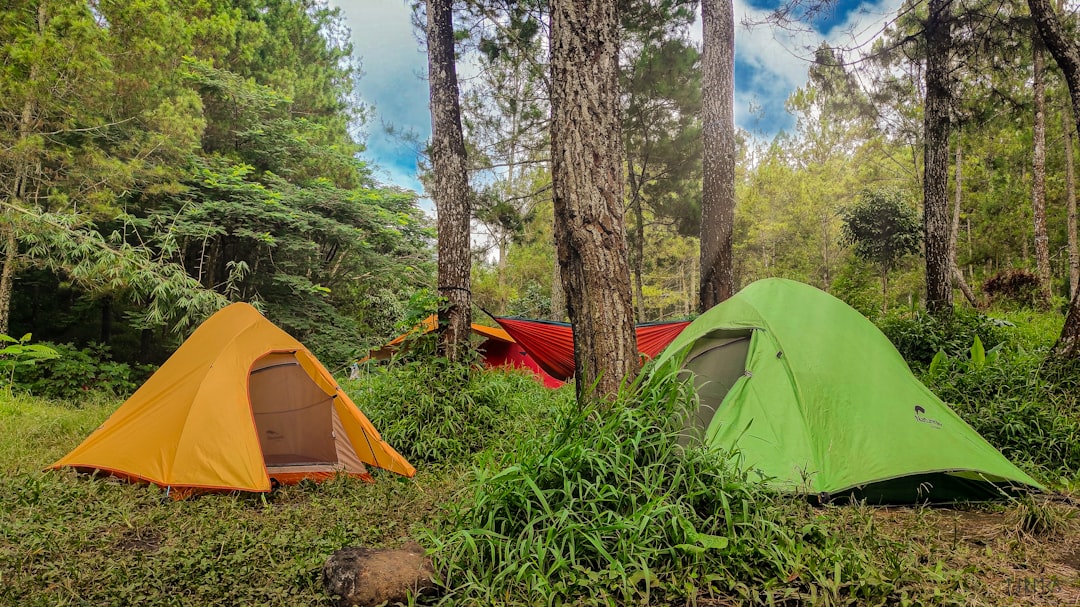
This umbrella features a 200cm diameter canopy with eight fiberglass ribs designed to flex in wind rather than snap. The tilt mechanism allows angle adjustment to follow the sun's movement throughout the day. The included screw-type sand anchor provides notably better stability than push-in spikes, though installation requires some effort in hard-packed sand.
During our summer testing period, this umbrella withstood winds up to 25km/h without inverting or requiring constant adjustment. The silver-coated underside effectively reflects heat, creating noticeably cooler shade compared to standard fabric. After four months of bi-weekly use, the tilt mechanism still operates smoothly and the fabric shows minimal fading.
Strengths
- UPF 50+ rated fabric with reflective coating
- Fiberglass ribs flex without breaking in wind
- Screw anchor provides excellent sand stability
- Tilt function tracks sun angle effectively
- 200cm diameter covers 2-3 people comfortably
- Vented canopy top reduces wind uplift
Limitations
- Heavier than minimal umbrellas at 2.8kg
- Sand anchor installation time-consuming
- Folded length (175cm) challenging for small cars
- Not suitable for rocky or hard-surface beaches
Lightweight Compact Beach Umbrella
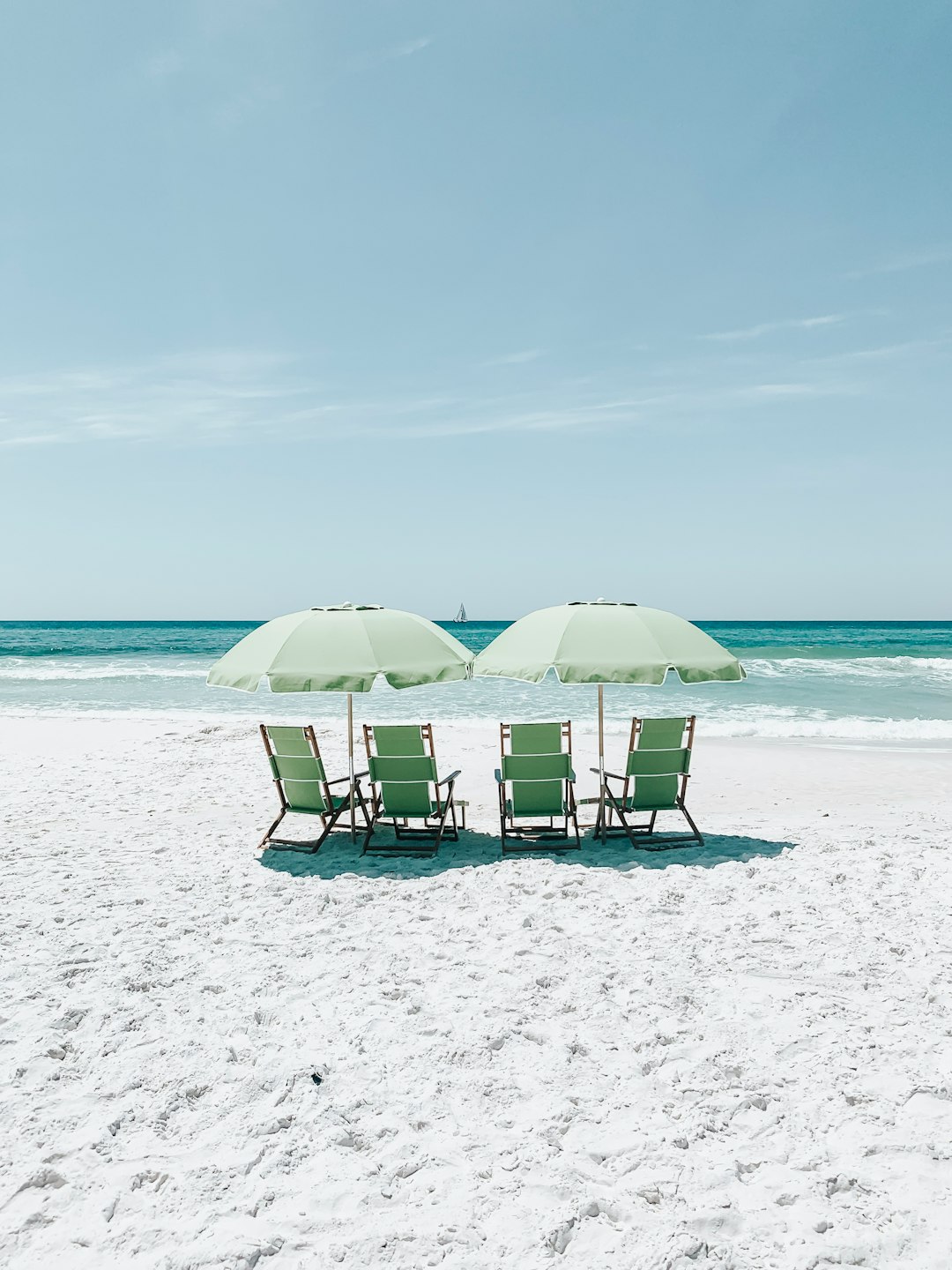
For beachgoers prioritizing portability, this umbrella weighs just 1.2kg and folds to 110cm length, making it practical for public transportation users. The 180cm canopy provides adequate shade for one to two people. The pole is aluminum rather than fiberglass, reducing weight but also flexibility in strong winds.
This umbrella performs well in calm to moderate conditions but struggles in winds above 15km/h. The push-spike anchoring system is quick to install but offers less stability than screw-type anchors. The fabric is polyester with UV treatment but lacks the reflective coating of premium models, resulting in somewhat warmer shade during peak afternoon heat.
Strengths
- Exceptionally lightweight at 1.2kg
- Compact folded size ideal for train travel
- Quick setup with push-spike anchor
- Affordable option for occasional beachgoers
- Available in multiple colors
Limitations
- Limited wind resistance above 15km/h
- Smaller canopy only shades 1-2 people
- No tilt mechanism
- Push anchor less stable than screw types
- Aluminum pole can become hot to touch
Pop-Up Beach Tent Reviews
Instant Pop-Up Beach Shelter

This pop-up design deploys in under 10 seconds using a pre-tensioned frame that springs into shape when released from its storage bag. The shelter provides three-sided protection with an open front, measuring 200cm x 120cm x 130cm when erected. Ground stakes and sandbag pockets help secure it against wind.
The shelter excels at blocking afternoon sun while maintaining airflow through the open front and mesh rear panel. UV protection is excellent at UPF 50+. However, wind resistance is the critical consideration with pop-up designs. This model requires all four corner stakes plus filled sandbags to remain stable in winds above 20km/h. Without proper anchoring, it can become airborne, which we observed during testing.
Strengths
- Extremely fast deployment under 10 seconds
- Excellent UV protection with UPF 50+ fabric
- Three-sided protection from sun and wind
- Mesh rear panel improves ventilation
- Packs into circular bag (80cm diameter)
- Interior pockets for small items storage
Limitations
- Requires careful anchoring in any wind
- Learning curve to fold back into storage bag
- Heavier than umbrellas at 3.5kg
- Takes up significant beach footprint
- Stakes ineffective in soft or rocky ground
Full Enclosure Beach Cabana
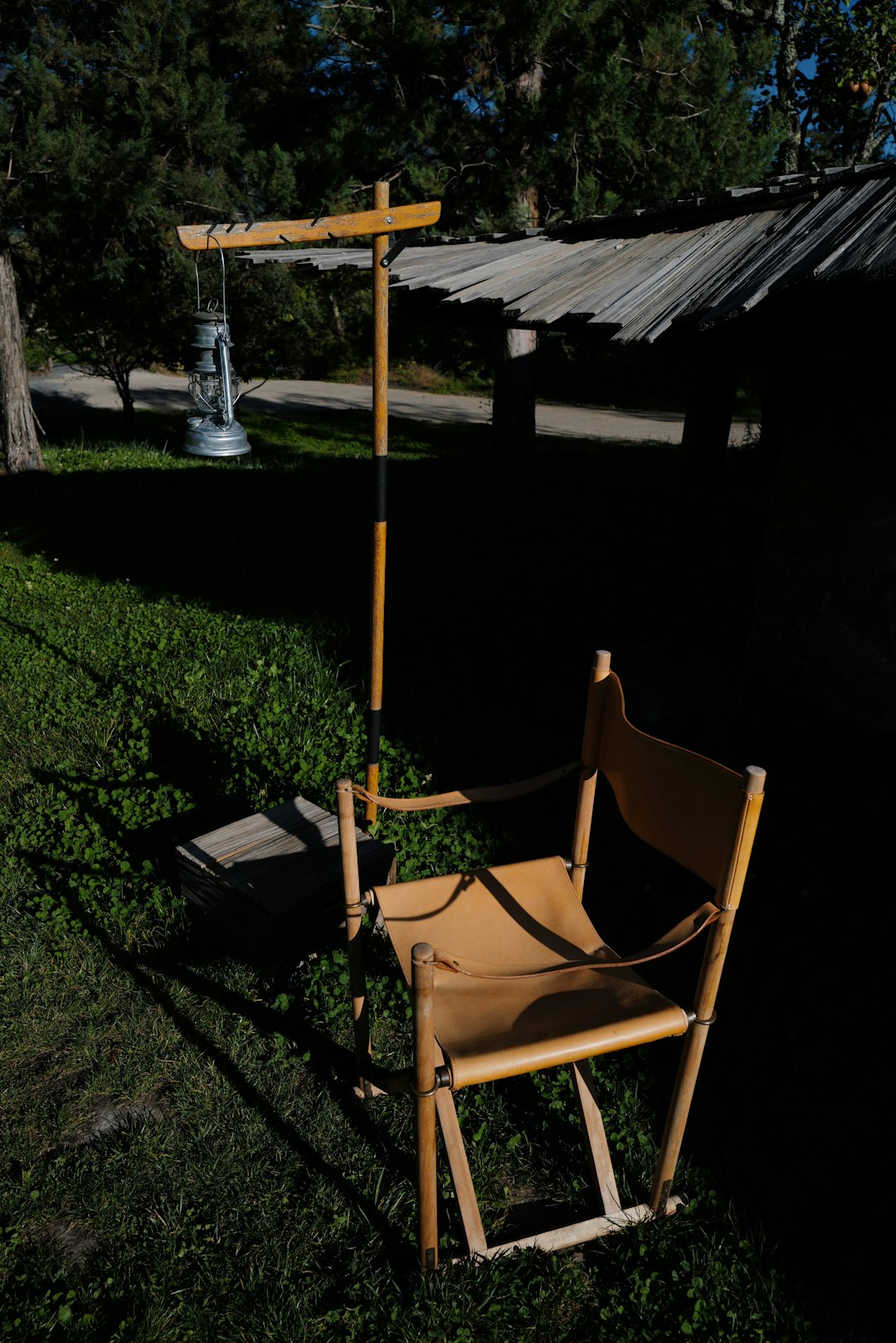
This larger shelter provides full enclosure with zip-down front panels, creating a private changing area or protected space from sun and wind. The frame uses flexible fiberglass poles that thread through fabric sleeves, requiring about 5 minutes for initial setup. Interior dimensions are 220cm x 150cm x 140cm, comfortable for families of four.
The cabana offers superior wind protection compared to open shelters, with the enclosed design preventing wind from getting underneath the structure. Multiple windows with zip-close panels allow ventilation adjustment. The fabric is heavy-duty polyester with silver coating inside, creating notably cooler shade even during midday heat. However, the fully assembled weight of 5.2kg and packed size make it best suited for car-transported beach trips rather than public transit.
Strengths
- Excellent wind resistance when properly staked
- Full privacy for changing clothes
- Superior shade quality with silver coating
- Spacious interior for families
- Multiple storage pockets and gear loops
- Durable construction for multi-season use
Limitations
- Heavy at 5.2kg plus stakes and lines
- Setup requires 5-10 minutes
- Large packed size (70cm x 20cm cylinder)
- Not practical for public transportation
- Requires significant beach space
- Higher price point than simple shelters
Comparing Shade Options
Traditional Umbrella
- Best For: Solo to small groups
- Weight: 1.2 - 2.8kg
- Setup Time: 2-5 minutes
- Wind Limit: 15-25km/h
- Coverage: 180-200cm diameter
- Storage: Long narrow shape
- Advantages: Traditional, adjustable angle
Pop-Up Shelter
- Best For: Quick setup needs
- Weight: 3.0 - 4.0kg
- Setup Time: 10-30 seconds
- Wind Limit: 20km/h (with anchors)
- Coverage: 200x120cm footprint
- Storage: Circular bag 80cm
- Advantages: Fast, good sun protection
Full Cabana
- Best For: Families, extended stays
- Weight: 5.0 - 6.5kg
- Setup Time: 5-10 minutes
- Wind Limit: 30km/h (properly staked)
- Coverage: 220x150cm interior
- Storage: Large cylinder 70x20cm
- Advantages: Privacy, wind protection
Wind Management and Anchoring
Proper anchoring is the most critical factor in shade equipment safety and effectiveness on Japanese beaches. We've observed numerous instances of improperly secured umbrellas and tents becoming projectiles in moderate winds, creating safety hazards and equipment damage.
Anchoring Methods Compared
Push Spike Anchors: Quick to install but offer minimal holding power. Suitable only for calm conditions (under 10km/h winds) or as supplementary anchoring with other methods. Work best in firm, moist sand near the waterline.
Screw-Type Anchors: Provide significantly better holding power through increased surface area contact with sand. Installation requires 2-3 minutes of effort but greatly improves stability. Most effective in medium-firmness sand typical of mid-beach areas. Some models include handles or cross-bars that make installation easier.
Sandbag Anchoring: Essential for tent and shelter stability. Four sandbags of 3-5kg each provide excellent holding power. The challenge is that empty sandbags add little weight for transport, but filling them on-site takes time. Some beachgoers bring pre-filled bags in their vehicle, which is effective but adds transport weight.
Guy Lines and Stakes: Necessary for tent structures. Stakes alone are often insufficient in soft sand; combining stakes with buried deadman anchors (bags or filled stuff sacks buried in sand) provides superior holding. Always orient guy lines so they won't create tripping hazards for passing beachgoers.
Wind Safety Guidelines
Never leave shade equipment unattended, even when anchored. Winds can increase suddenly, especially during afternoon thunderstorm development common in Japanese summers. If sustained winds exceed 25km/h, consider taking down umbrellas and switching to low-profile beach tents or natural shelter. Insurance typically doesn't cover damage or injuries from flying beach equipment, making proper anchoring both a safety and financial consideration.
Maintenance for Longevity
Shade equipment faces harsh conditions on Japanese beaches: intense UV, salt spray, sand abrasion, and humid storage environments. Proper care significantly extends usable life.
After Each Use: Rinse fabric and frame with fresh water to remove salt and sand. Salt residue accelerates fabric degradation and metal corrosion. Allow complete drying before storage to prevent mildew growth, particularly important in Japan's humid climate.
Storage Practices: Store in a cool, dry location away from direct sunlight when not in use. UV exposure degrades fabric even when the equipment isn't being used. Ensure umbrellas and tents are completely dry before placing in storage bags. Consider adding silica gel packets to storage bags for humidity control.
Frame Care: Inspect fiberglass and metal components for cracks, corrosion, or stress points before each season. Apply silicone spray to mechanical joints and pivot points annually to prevent seizing. Check tensioning systems on pop-up tents as elastic components lose tension over time.
Fabric Protection: UV protection coatings degrade over time. After 2-3 seasons, fabric effectiveness diminishes even if it appears intact. Some manufacturers offer re-coating services, though replacement is often more practical. Avoid storing fabric while damp as mildew stains are nearly impossible to remove from light-colored materials.