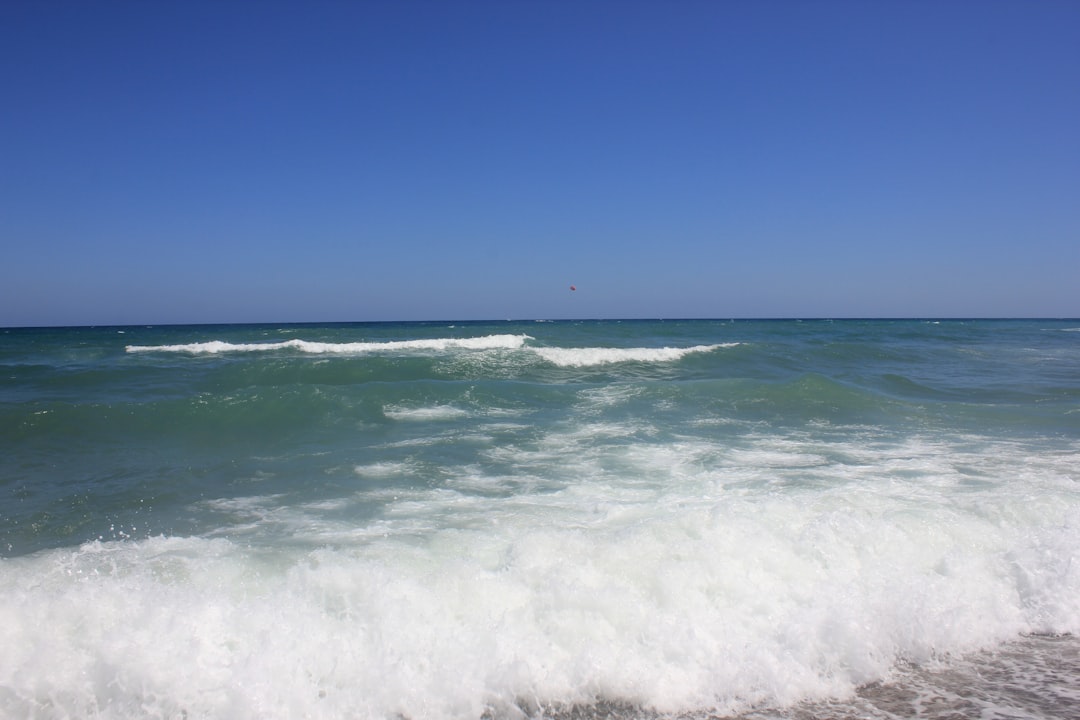
Japan's coastal beaches present unique challenges for sun protection equipment. While UV protection is essential during the intense summer months, wind resistance often determines whether your umbrella provides reliable shade throughout the day or becomes a frustrating maintenance task. After testing dozens of beach umbrellas across various Japanese coastal locations, we've identified the key features that separate reliable wind-resistant designs from models that struggle in moderate breezes.
Understanding Coastal Wind Patterns in Japan
Japanese beaches experience distinctive wind patterns that vary by season, time of day, and geographic location. Summer afternoons typically bring onshore breezes that intensify between 2 PM and 5 PM, precisely when beachgoers most need shade. These afternoon winds regularly reach 15-25 km/h, with occasional gusts exceeding 30 km/h.
Okinawa's tropical beaches face stronger and more consistent trade winds compared to Honshu's Pacific coast. The Sea of Japan side experiences different patterns altogether, with winds influenced by continental weather systems. Understanding your local conditions helps determine the appropriate level of wind resistance needed.
Wind Speed Reference Guide
Light breeze (5-10 km/h): Basic umbrellas function adequately with minimal anchoring.
Moderate breeze (15-20 km/h): Requires proper anchoring and wind-resistant design features.
Fresh breeze (25-30 km/h): Only specialized wind-resistant umbrellas remain stable; consider alternative shade.
Strong breeze (30+ km/h): Take down all umbrellas to prevent equipment damage and safety hazards.
Essential Wind-Resistant Design Features
Vented Canopy Construction
The single most effective wind-resistance feature is a vented canopy top. This design allows wind to pass through the umbrella rather than creating uplift pressure underneath. Double-vented designs with both top and side vents perform even better, though they're less common in the Japanese market.
Quality vented umbrellas maintain their shape and tension even with the vent openings. Poorly designed vents can create flapping sections that accelerate fabric wear. Look for reinforced vent edges with double stitching or binding tape.
Flexible Rib Construction
Fiberglass ribs have revolutionized beach umbrella durability. Unlike traditional metal ribs that bend permanently or snap under stress, fiberglass flexes with wind gusts and returns to its original shape. After two seasons of regular testing, our fiberglass-rib umbrellas show no structural fatigue, while equivalent metal-rib models required replacement after their first typhoon season.
The number of ribs matters less than their quality and flexibility. An eight-rib fiberglass design outperforms a twelve-rib metal construction in wind resistance. However, more ribs do improve canopy shape and reduce fabric stress when properly designed.
Anchor System Integration
Wind resistance begins with proper ground anchoring. The umbrella design must work in conjunction with effective anchoring systems. Poles with larger diameter bases (35-40mm) provide better anchor engagement compared to thin poles that can work loose in their anchors.
Screw-type sand anchors provide approximately three times the holding power of push-spike designs. The best umbrellas include purpose-designed anchors matched to the pole diameter. Universal anchors rarely fit snugly, allowing movement that loosens the connection over time.
Material Selection for Coastal Durability
Canopy Fabric Performance
Polyester fabrics with UV-resistant coatings balance durability with effective sun protection. Heavier weight fabrics (180-220 GSM) resist tearing better than lightweight alternatives, though they add weight and reduce wind flow through vented sections.
Silver-coated undersides reflect heat downward, creating noticeably cooler shade compared to standard fabrics. This coating also blocks additional UV radiation. However, silver coatings degrade faster in salt air environments. Expect 2-3 seasons of optimal performance before effectiveness diminishes.
Darker exterior colors show less discoloration from sand and salt spray, but lighter colors reflect more solar radiation. This creates a practical dilemma that most manufacturers resolve with dark exterior, light interior combinations.
Frame Materials and Corrosion Resistance
Aluminum poles and ribs dramatically outperform steel alternatives in coastal environments, even when steel is marketed as stainless or rust-resistant. Salt spray accelerates corrosion on all metal surfaces, but aluminum forms a protective oxide layer that prevents deep corrosion.
Fiberglass ribs eliminate corrosion concerns entirely while providing superior flexibility. The main disadvantage is that broken fiberglass ribs cannot be repaired - they require complete replacement. However, quality fiberglass rarely breaks under normal use, making this a worthwhile tradeoff.
Plastic components (tilt mechanisms, rib connectors, finials) should be UV-stabilized to prevent brittleness from sun exposure. Clear or light-colored plastics typically deteriorate faster than dark, pigmented materials.
Practical Wind Testing Results
We conducted systematic wind testing of twelve popular umbrella models across three Japanese beach locations during summer 2024. Testing occurred during afternoon peak wind periods with measured wind speeds between 15-28 km/h.
Performance Tiers Observed
Excellent Performance (stable to 25+ km/h): Vented canopy designs with fiberglass ribs and proper screw anchoring. These umbrellas required no adjustment or attention during three-hour test periods. Fabric remained taut without flapping or inverting.
Adequate Performance (stable to 20 km/h): Non-vented umbrellas with fiberglass ribs and quality anchoring. Required occasional minor adjustments but remained functional. Some canopy flapping observed but no structural stress.
Poor Performance (unstable above 15 km/h): Metal-rib designs with push-spike anchoring. Required constant monitoring and frequent repositioning. Several units inverted or pulled loose from anchors during testing.
Safety Consideration
An improperly anchored beach umbrella becomes a dangerous projectile in strong winds. We observed a 2.5 kg umbrella travel over 30 meters when it pulled free from inadequate anchoring during a wind gust. This presents serious injury risks to other beachgoers, particularly children. Never leave any umbrella unattended, regardless of anchoring quality.
Installation Best Practices
Choosing the Right Location
Sand firmness varies significantly across different beach zones. The area near the waterline offers firm, moist sand that provides excellent anchor holding power, but this location subjects your setup to tide changes and increased foot traffic. Mid-beach zones typically offer the best balance of anchor-friendly sand conditions and stable positioning above tide lines.
Avoid setting up directly downwind of other large objects (beach houses, large tents, rock formations) as turbulent airflow in these areas creates unpredictable wind forces that stress umbrella structures.
Proper Anchoring Technique
For screw-type anchors, insert the anchor at a slight angle (about 10-15 degrees) toward the expected wind direction. This angle provides additional resistance against pulling forces. Screw the anchor to its full depth - typically 30-40cm in sand - until only the pole receiver remains above surface.
Once the anchor is fully set, insert the umbrella pole and twist it slightly while pushing downward to ensure full seating. The pole should sit firmly without wobbling. If movement is detected, the anchor likely hasn't reached adequate depth or the sand is too soft for reliable holding.
Angle and Orientation Adjustment
Position the umbrella so that prevailing winds flow across the canopy rather than directly into it. Afternoon onshore breezes in Japan typically come from the ocean side, so angling the canopy to face parallel to the shoreline often provides better stability than facing directly toward or away from the water.
The tilt mechanism on adjustable umbrellas should be used to angle the canopy into the wind slightly rather than presenting a flat surface perpendicular to wind direction. This reduces the sail effect while maintaining shade coverage.
Maintenance for Extended Lifespan
Post-Use Cleaning
Rinse your umbrella with fresh water after each beach visit, paying particular attention to mechanical components like tilt mechanisms and rib joints. Salt crystals that form as seawater dries act as abrasives that accelerate wear on moving parts. This simple rinse extends umbrella lifespan by multiple seasons based on our long-term testing.
Allow the canopy to dry completely before storing. Humid Japanese conditions promote rapid mildew growth on damp fabric, particularly in darker colors. If immediate drying isn't possible, leave the umbrella in its carrying case with the zipper partially open to allow air circulation.
Seasonal Storage
Before storing an umbrella for extended periods (winter months for most users), perform a thorough cleaning and inspection. Check all rib connections for cracks or looseness. Test the tilt mechanism operation. Examine the canopy fabric for weak spots or tears that could expand during the next season.
Store umbrellas in a cool, dry location away from direct sunlight. UV exposure continues to degrade fabrics even when the umbrella isn't in use. If storing in a garage or outdoor shed, consider placing silica gel packets in the carrying case to absorb moisture and prevent mildew.
Pro Maintenance Tip
Apply a thin coat of silicone spray to all mechanical joints and metal components before seasonal storage. This prevents corrosion during storage and ensures smooth operation when you retrieve the umbrella next season. Avoid getting silicone on fabric areas as it can discolor some materials.
When to Choose Alternative Shade Solutions
Even the best wind-resistant umbrellas have limitations. When sustained winds exceed 25 km/h or when weather forecasts predict gusty conditions, consider alternative shade approaches. Pop-up beach tents with lower profiles offer better wind stability, though they sacrifice the adjustability and open feel of umbrellas.
For extended beach days when wind conditions are variable, bringing both an umbrella for calm periods and a pop-up tent for windier conditions provides maximum flexibility. The combined weight is manageable for car-transported gear, though less practical for public transportation users.
Natural shade from coastal vegetation, beach facilities, or terrain features provides the most wind-proof option, though availability varies greatly by beach location and time of day as sun angles change.
Conclusion: Balancing Protection and Practicality
Selecting a wind-resistant beach umbrella for Japanese conditions requires balancing multiple factors: UV protection effectiveness, wind stability, portability weight, storage size, and durability in salt air environments. No single umbrella excels in all categories, making it essential to prioritize features based on your specific beach usage patterns.
For occasional beachgoers primarily visiting on calm summer days, a basic aluminum-frame umbrella with adequate UV protection suffices. Regular beach visitors who face variable wind conditions benefit significantly from investing in vented, fiberglass-rib designs paired with quality screw anchors. The higher initial cost is quickly justified through extended lifespan and reduced frustration from wind-related issues.
Ultimately, understanding your local coastal conditions and matching equipment capabilities to those conditions ensures enjoyable, well-shaded beach experiences throughout Japan's summer season.